
Website Maintenance for Local Businesses
Published on: 27th September 2026
A customer searches for an emergency electrician, a table for Saturday night or a local accountant. They find your business, but the contact form does not work, the page takes too long to load, or the information is out of date. That potential enquiry is unlikely to wait around.
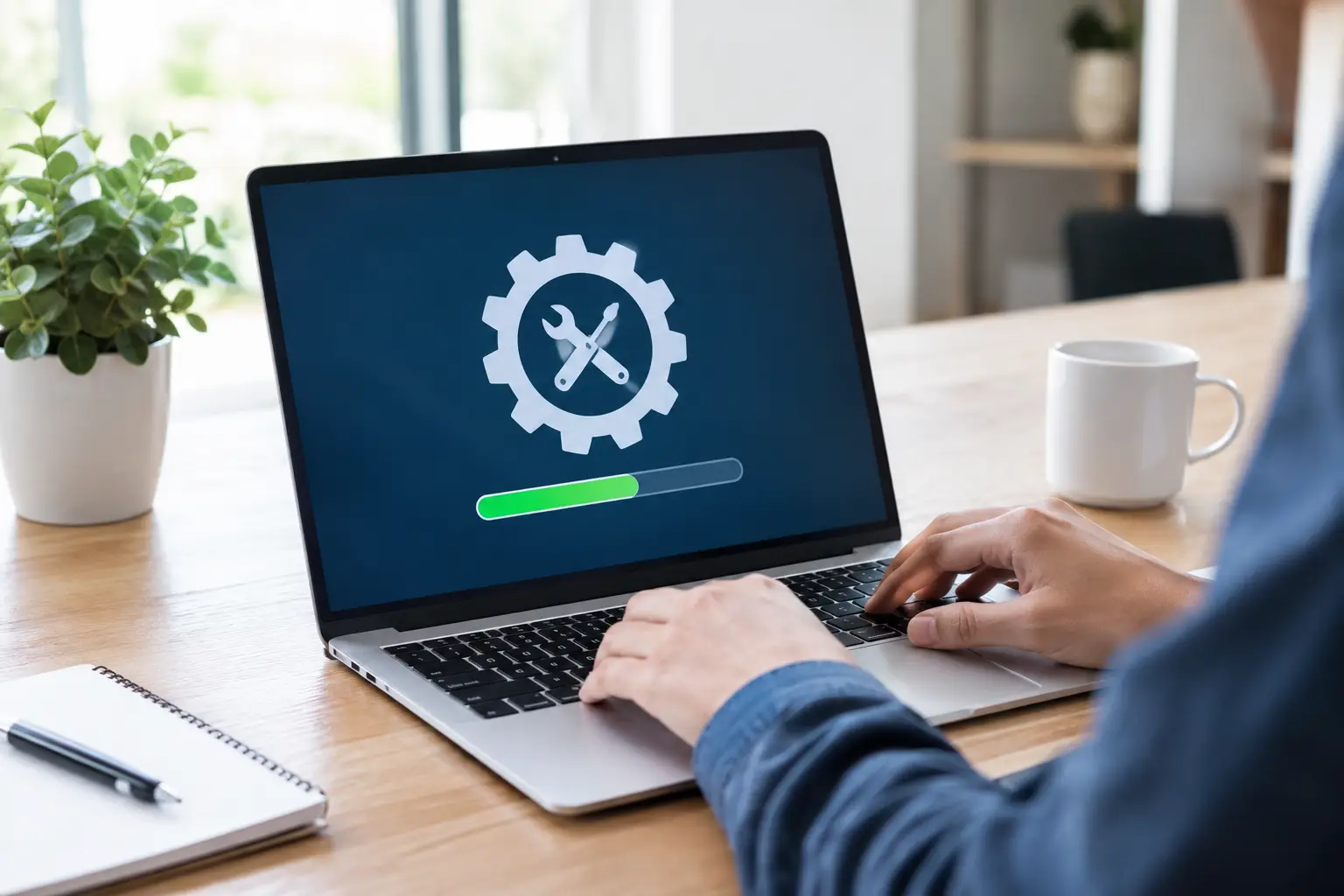
Website maintenance for local businesses is what keeps these small but costly problems from becoming lost work. It is the ongoing care of your website after it goes live: protecting it, keeping it performing properly and making sure it continues to represent your business well when local customers need you.
For busy owners across Thanet, Kent and the surrounding area, a website should not become another technical job on an already long list. It should be a dependable part of your sales and marketing activity, working alongside your Google visibility, advertising, social media and day-to-day customer service.
Why website maintenance for local businesses pays off
Your website is often the first point of contact for someone who has never heard of you before. They are making quick decisions based on what they see: whether your services are clear, whether your reviews inspire confidence, whether you cover their area and whether it is easy to call, book or request a quote.
A neglected site can quietly undermine all of that. Out-of-date opening hours frustrate restaurant guests. A broken quote form costs a trades business valuable leads. An expired security certificate can make a visitor question whether it is safe to submit their details. These issues may seem minor in isolation, but they create friction at the exact moment a prospect is deciding who to contact.
Regular maintenance protects the investment you made in your website. It also gives you a stronger platform for SEO, Google Ads, Meta Ads and social activity. There is little value in paying to bring people to a landing page that is slow, broken or no longer reflects the service you offer.
What ongoing website care should cover
Maintenance is not simply pressing an update button once a month. A useful service combines prevention, monitoring and practical improvements, with the level of support shaped around your business and the technology behind the site.
Software updates and security checks
Most modern business websites rely on a content management system, plugins, themes and hosting software. These components need updating to address security issues, fix faults and retain compatibility. Leaving them untouched for long periods can increase the risk of hacking, spam or unexpected errors.
Updates need to be handled carefully. A change that improves security can occasionally conflict with another feature, particularly on websites with booking tools, ecommerce functions, bespoke forms or third-party integrations. Good maintenance includes checking that important areas still work after updates, rather than assuming everything is fine.
Security also includes strong access controls, malware monitoring and sensible user permissions. Not every member of staff needs full administrator access, and old accounts should not remain active when someone leaves the business.
Backups that can actually be restored
A backup is only reassuring if it is recent, stored safely and can be restored when required. If a site is damaged by an update, hosting issue or malicious attack, a reliable backup can reduce disruption dramatically.
The right schedule depends on how often your site changes. A brochure website may need less frequent backups than an online shop processing orders each day. The key is to agree a sensible plan, know what is covered and make sure there is a clear route to recovery if something goes wrong.
Speed, uptime and mobile performance
Local customers often browse on their phones between jobs, on the school run or while comparing businesses from a café. Slow pages and awkward mobile layouts discourage them before they have read your key message.
Performance maintenance looks at issues such as oversized images, unnecessary code, poor-quality hosting, outdated plugins and pages that have become overloaded over time. It may also include uptime monitoring, so a problem can be spotted sooner rather than being discovered by a customer.
Not every website needs an expensive rebuild to improve speed. Sometimes image optimisation, better hosting settings and sensible housekeeping make a meaningful difference. In other cases, especially for an older site, the cost of repeatedly patching problems may outweigh the value of redevelopment. A good digital partner will be clear about that trade-off.
Content that remains accurate and persuasive
Your business changes. You add services, take on staff, expand into new areas, alter your opening times or run seasonal offers. If your website still describes the business you were two years ago, it is not doing its job.
Routine content updates keep visitors informed and help your team avoid answering preventable questions. For a plumber or heating engineer, that may mean updating service areas and emergency contact details. For a hospitality venue, it could mean current menus, events and booking information. For professional services, it may involve new case studies, accreditations or team profiles.
This is also where maintenance supports credibility. Clear, current information signals that the business behind the website is active, organised and ready to help.
Maintenance supports local SEO, but it is not SEO on its own
A maintained website is easier for search engines and customers to use, but ongoing maintenance is different from a full SEO campaign. Updating software, correcting errors and improving speed create a healthier foundation. They do not automatically make you rank first for competitive local searches.
SEO requires further work: researching what customers search for, improving service pages, building relevant local content, reviewing technical signals and keeping business details consistent across your online presence. The most effective approach connects these activities rather than treating them as separate jobs.
For example, if you launch a new fire safety service in Kent, your website may need a dedicated page, clear enquiry routes, updated navigation and supporting Google Business Profile information. If you are running paid advertising for that service, the advert should lead to a page that is current, fast and designed to convert. Maintenance makes sure the basics do not let that campaign down.
Signs your website needs attention now
Some problems are obvious, such as an error message or an enquiry form that no longer sends emails. Others are quieter. You may notice fewer enquiries despite steady traffic, customers calling to ask questions already answered inaccurately online, or staff struggling to make straightforward changes.
Warning signs include outdated copyright dates and team details, broken links, pages that load slowly on mobile, suspicious pop-ups, forms without clear confirmation messages and no record of when the site was last backed up. An old hosting package, expired domain details or email accounts tied to a former supplier can also create avoidable risk.
If you do not know who has access to your domain, hosting and website administrator account, that is worth resolving promptly. Your business should retain clear ownership and access, even when a trusted agency handles the technical work.
Choosing the right level of support
The right maintenance arrangement depends on the website and the role it plays in generating revenue. A simple local service website may need planned updates, backups, security checks and a small allocation for content changes. An ecommerce store or business that relies heavily on online bookings will usually need closer monitoring and faster support.
Before agreeing to a package, ask what is included when a problem occurs. Does the provider test core functions after updates? Are content amendments included or charged separately? How often are backups taken? Who looks after hosting, domains and business email? What is the response process if your site goes down?
The cheapest option is not always the best value if it only covers automated updates and leaves your business responsible for diagnosing problems. Equally, not every small business needs enterprise-level monitoring. The aim is proportionate support that protects enquiries, reputation and continuity without paying for features you will not use.
Make your website easier to rely on
Website maintenance works best when it is planned, not triggered by a crisis. Set a regular review point for your contact details, service pages, forms, security and performance. Keep a record of key logins, renewal dates and the people responsible for approvals. When you launch an offer, change a process or add a service, make the website part of that conversation from the beginning.
Codex Web Development can help local businesses bring website care, hosting and wider digital marketing into one clear plan, so your online platform has the attention it needs without taking focus from running the business.
A well-maintained website rarely demands attention from your customers. It simply answers their questions, earns their confidence and gives them a straightforward next step when they are ready to get in touch.