
Social Media Management for Restaurants That Works
Published on: 1st October 2026
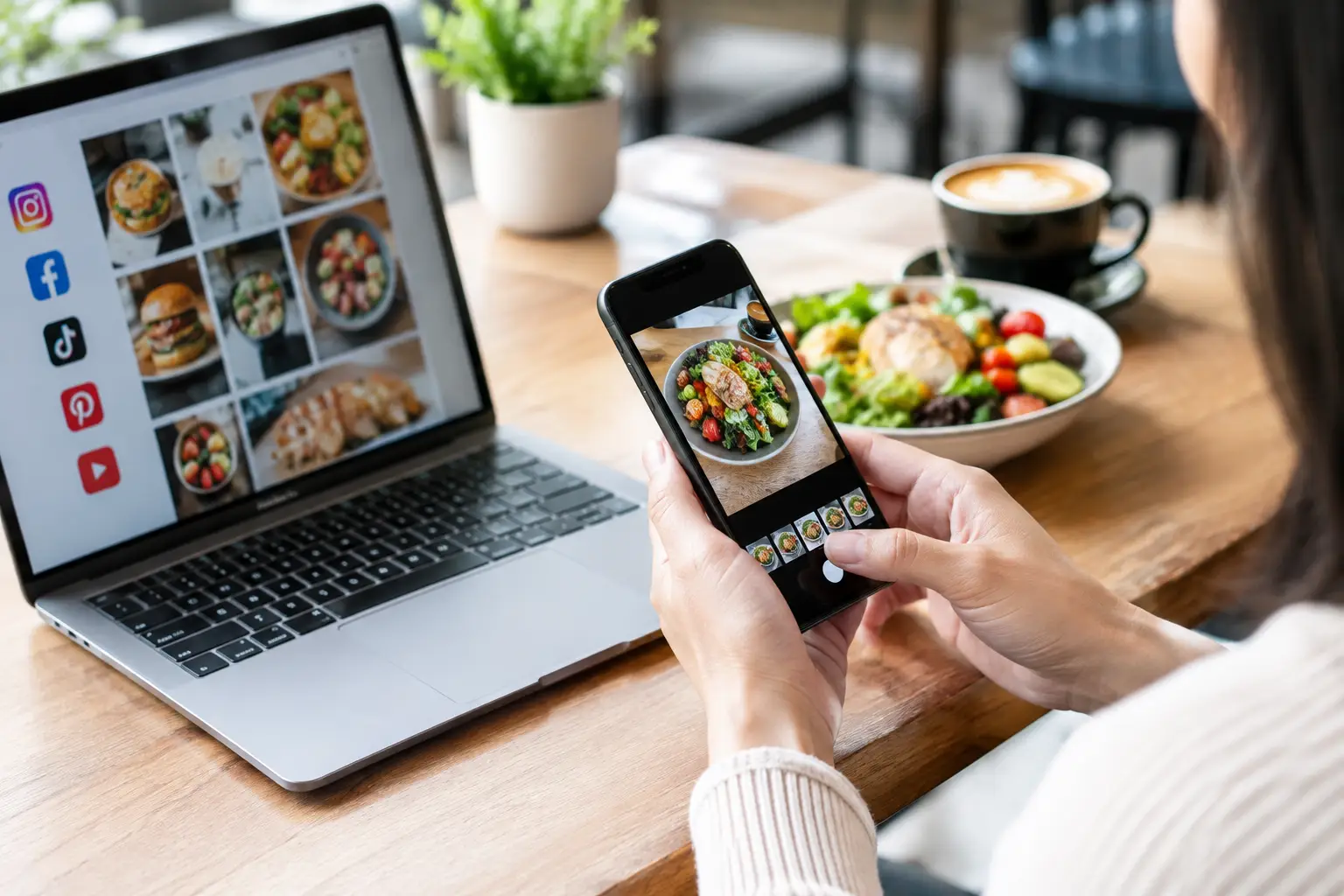
A fully booked Friday can start with a well-timed post on Tuesday. A close-up of a new dish, a quick chef video, or a reminder about Sunday lunch gives local diners a reason to choose your restaurant before they have even opened a booking app. Social media management for restaurants is not about posting for the sake of it. It is about making your venue easier to notice, trust and book.
For independent restaurants in Thanet and across Kent, social media can be one of the most immediate ways to stay visible between visits. The challenge is that running a restaurant already demands your attention. Service, suppliers, staffing and standards cannot wait while you think of a caption at 10pm.
Why restaurants need more than occasional posts
Most diners now look at a restaurant’s social channels before deciding where to eat. They want a feel for the food, atmosphere, service and value. If your last post was from six months ago, your opening times are unclear, or your photos do not reflect the experience you provide, potential customers may simply move on to the next option.
A strong presence creates confidence. It shows that your restaurant is active, cared for and worth visiting. It also gives you a direct way to promote the moments that matter to your business: a new menu, quieter midweek tables, a seasonal event, private dining, takeaway, gift vouchers or a last-minute cancellation.
That does not mean every restaurant needs to chase every trend. A fine-dining venue, a family pub and a fast-casual takeaway need different content, different posting rhythms and different calls to action. The right approach should reflect the people you want through the door and the commercial priorities behind each campaign.
What effective social media management for restaurants looks like
Effective restaurant social media begins with a clear plan, but it should never feel overly polished or detached from real service. Diners respond to content that feels genuine: fresh food being prepared, the team setting up for the evening, a table ready for a celebration, or a local supplier behind a seasonal ingredient.
The aim is to make the decision to visit easier. That means pairing attractive content with useful information. Mention when the special is available, whether booking is advised, where to find the menu, and what makes the occasion worthwhile. A beautiful image without a next step may earn a like. A clear post with a simple booking prompt can help fill tables.
Content should support your trading calendar
Restaurants have natural opportunities to communicate throughout the year. Bank holidays, Mother’s Day, Christmas menus, summer terraces, school breaks and local events all affect demand. Planning content around these dates means your promotions appear early enough for customers to act, rather than after the booking window has passed.
Your weekly rhythm matters too. A lunch offer may need visibility on Monday morning. A Friday evening reminder is more useful on Thursday than halfway through Saturday service. If Tuesday is consistently quiet, that is where a targeted offer, tasting night or set-menu message can earn its place.
A practical content plan usually balances four areas: food and drink, the experience of visiting, the people behind the restaurant, and timely reasons to book. The mix prevents your page becoming a stream of sales messages while still keeping revenue firmly in view.
Quality matters, but authenticity matters too
Professional photography is valuable, especially for your hero dishes, interiors and website. However, it is not realistic or necessary to arrange a full shoot for every post. High-quality mobile phone content, used consistently and with good lighting, can show the pace and personality of a working restaurant.
Short video is particularly useful because it gives diners a sense of atmosphere. A cocktail being finished, pizza coming from the oven, a steak being plated or a busy dining room can communicate far more than a static graphic. Keep it focused. A few seconds of clear, appetising footage is often more effective than an elaborate video with no obvious point.
Choose channels based on your customers
Instagram and Facebook remain useful for many local restaurants because they combine visual content, local discovery, event promotion and customer interaction. Instagram is often strongest for food-led imagery and short video, while Facebook can be especially effective for community engagement, events and reaching established local audiences.
TikTok may suit venues with a distinctive personality, visually engaging preparation or a younger target market. It is not essential for every restaurant. Starting a channel you cannot maintain can create more work without delivering meaningful returns.
Google Business Profile also deserves attention, even though it is not a traditional social platform. Up-to-date opening hours, recent photos, customer reviews and accurate booking details can influence a diner who is actively searching for somewhere to eat nearby. Your social activity, website and Google presence should present the same information and the same standard.
Turn attention into bookings and repeat visits
Reach is useful, but it is not the result. A restaurant needs to know whether its social activity is helping to generate bookings, walk-ins, enquiries, event covers, voucher sales or repeat custom.
Make the next action obvious. Depending on your setup, that might mean asking customers to book a table, call the restaurant, send a message, view the menu or enquire about a private event. Ensure the booking route works properly on mobile. There is little value in winning attention if a customer then struggles to find availability or contact details.
Paid social advertising can add momentum when used carefully. Rather than boosting every post, put budget behind a defined offer or occasion. For example, a local campaign for a Valentine’s menu, a wedding reception package or a new lunch service can reach relevant people within a realistic travel distance of your venue.
The trade-off is that advertising cannot fix a weak offer, poor reviews or an unclear booking process. It works best when the restaurant’s website, social content and customer experience are already pulling in the same direction.
Responding is part of the service
Social media is a customer-service channel as well as a marketing one. Messages about allergens, availability, dietary requirements and opening hours often arrive outside normal telephone enquiries. Quick, accurate replies can make the difference between a booking and a missed opportunity.
Set clear responsibilities for who checks messages and comments, particularly during service. It is better to state that you will reply during opening hours than leave customers waiting with no acknowledgement. For more detailed questions, guide people to call or email where the team can handle the enquiry properly.
Reviews need the same level of care. Thank positive reviewers without using a generic response every time. Where feedback is less favourable, stay polite, specific and professional. A defensive reply can put off far more potential diners than the original complaint.
Measure what helps your restaurant grow
The most useful reporting focuses on actions that support revenue. Track booking enquiries, website visits from social channels, calls, direct messages, event interest and engagement on posts linked to a specific offer. Over time, patterns will emerge around the content, days and promotions that bring the strongest response.
Likes still have a place as an indicator of interest, but they should not dictate the whole strategy. A post with modest engagement that fills twelve tables is more valuable than a popular reel that attracts viewers from nowhere near Kent.
Consistency is usually more valuable than bursts of activity followed by silence. A manageable monthly plan, regular content capture during service and clear reporting gives your restaurant a presence that feels active without becoming another job for your team.
Codex Web Development can help bring your website, paid advertising, local visibility and social channels into one practical plan, so each part supports the next customer decision. The best restaurant marketing does not ask people to admire your feed. It gives them a compelling reason to make a booking.