
Meta Ads Management for Better Local Leads
Published on: 30th September 2026
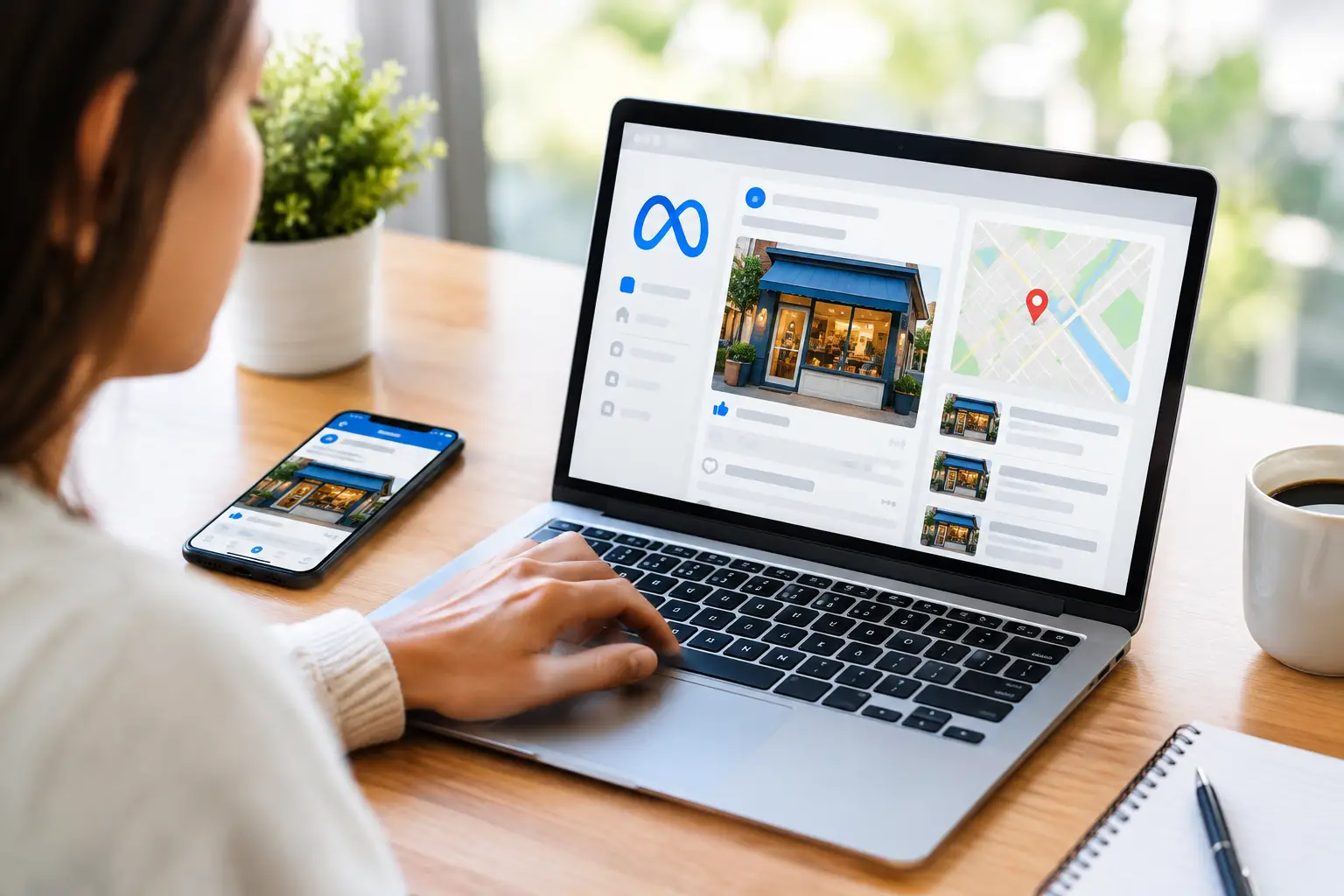
A well-targeted advert can put your business in front of a homeowner needing a plumber, a diner choosing where to book a table, or a buyer ready to browse your online shop. But getting that result consistently takes more than boosting the occasional post. Effective Meta Ads management brings together the right audience, creative, budget, website journey and follow-up process to generate enquiries your business can actually act on.
For businesses across Thanet and Kent, Meta advertising can be a practical way to build local awareness and create a steady source of opportunities. The difference is in how the campaigns are planned, monitored and improved once the adverts are live.
What Meta Ads management involves
Meta Ads covers paid advertising across Facebook, Instagram, Messenger and the wider Meta audience network. Your adverts may appear in a person’s Facebook feed, Instagram Stories, Reels or Marketplace, depending on where Meta expects they are most likely to respond.
Management is the ongoing work behind those adverts. It starts with understanding what you need the campaign to achieve: calls, form enquiries, online sales, bookings, quote requests or local brand awareness. From there, the campaign can be built around a clear offer and measured against outcomes that matter to your business.
This is not a set-and-forget service. Audiences can become less responsive, competitor activity can increase, and an advert that performed well in its first fortnight can lose impact over time. Regular review helps keep spend focused on the campaigns, locations and messages delivering the strongest return.
Start with the commercial goal, not the advert format
It is easy to begin with an eye-catching video or a special offer. Those elements matter, but they work best when they support a defined goal. A fire safety company may want site survey enquiries from commercial property managers. A restaurant may need more bookings for quieter midweek evenings. An e-commerce brand may want profitable sales of a particular product range.
Each goal requires a different campaign structure. Lead generation adverts can capture contact details directly within Facebook or Instagram, while website conversion campaigns send people to a dedicated landing page. Product campaigns can show people items they have viewed or add a selection of products dynamically from an online catalogue.
There is a trade-off to consider. Instant lead forms can produce a higher volume of enquiries because they are quick to complete, but the leads may be less qualified than someone who visits your website and submits a detailed quote request. For some businesses, speed and volume are valuable. For others, a smaller number of well-informed enquiries is more profitable. Good campaign management accounts for that difference rather than chasing the cheapest possible lead.
Building audiences that suit your business
Meta’s targeting options are useful, but local businesses do not need to overcomplicate them. A carefully defined service area is often the starting point. A trades business covering Margate, Broadstairs, Ramsgate and nearby parts of Kent should not be paying to reach people far outside its realistic travel radius.
Beyond location, campaigns can be shaped around relevant interests, previous engagement with your social pages, website visitors and existing customer data where appropriate. Retargeting is particularly valuable. Someone who has visited your services page, looked at a product or watched most of a video already knows something about your business. A well-timed follow-up advert can give them a useful reason to take the next step.
At the same time, narrow targeting is not always better. If an audience is too small, Meta has little room to find responsive people and costs can rise. The right approach depends on your market, budget and how specific the service is. A local emergency electrician campaign needs close geographic control, while an online retailer can usually test broader audiences across a wider area.
Creative that earns attention without making empty promises
People scroll quickly, particularly on mobile. Your advert needs to communicate its point clearly before someone moves on. That does not mean every campaign needs polished studio footage. Authentic images of your team, completed work, premises, products or customer experience can often feel more credible than generic stock photography.
The strongest creative usually answers a practical question: what do you offer, who is it for and why should the person respond now? A kitchen fitter might show a completed local project and invite homeowners to request a design consultation. A hospitality venue could use short video content to show the atmosphere, menu highlights and availability for an upcoming event.
The wording should match the stage of the customer journey. Someone unfamiliar with your business may respond to a clear introduction and proof of quality. Someone who has already visited your website may need a more direct prompt, such as booking a consultation, requesting a quote or viewing a current range. Repeating the same advert to every audience rarely gives the best result.
Meta Ads management needs a strong destination
An advert can generate interest, but your website must do its part. If a potential customer clicks through to a slow page, a vague service description or a contact form with too many fields, paid traffic is easily wasted.
Landing pages should make the next action obvious. They need a relevant headline, concise explanation of the service or offer, clear contact details and evidence that reassures visitors they are dealing with a dependable business. Reviews, project photographs, accreditations and straightforward information about your process can all help, provided they are relevant and genuine.
For lead-focused campaigns, prompt follow-up is equally important. A warm enquiry can go cold quickly if it sits unanswered until the next day. Before increasing a budget, make sure your team has a practical process for responding to phone calls, forms and messages. Advertising works best when it is connected to the way your business actually sells.
Measuring more than clicks
Clicks and likes can indicate whether an advert is attracting attention, but they are not the final measure of success. A campaign should be assessed against the outcome it was built to deliver: qualified leads, booked appointments, completed purchases or revenue.
Reliable tracking helps show what happens after someone sees or clicks an advert. This may include website enquiry submissions, calls, purchases, booking confirmations and other meaningful actions. It also gives Meta better signals to optimise future delivery towards people more likely to convert.
Numbers still need context. A low cost per lead may look excellent until you discover that few of those leads answer the phone or fit your service area. Conversely, a higher-cost campaign may be worthwhile if it consistently brings in larger projects or repeat customers. Reviewing lead quality alongside campaign data gives a much clearer picture of return on investment.
Budgeting for testing and sustained results
There is no universal “right” budget for Meta advertising. It depends on your industry, geographic reach, sales value and the level of competition for your audience’s attention. A business offering high-value commercial services may be able to invest more per lead than a business promoting a low-margin product.
The first stage should allow room to test. Different messages, images, videos, offers and audience groups can produce very different results. Stopping a campaign after a few days because one version has not immediately performed can be premature, especially with smaller local audiences. Equally, leaving poor-performing adverts running for weeks simply because they were approved is not a sensible use of budget.
As clear patterns emerge, spend can be directed towards the combinations that are producing worthwhile outcomes. Seasonal activity can also be planned around real demand, whether that is summer hospitality, winter heating work, Christmas gifting or a quieter period when you want to stimulate bookings.
Why joined-up marketing makes the difference
Meta advertising is most effective when it supports the rest of your online presence. Your adverts may introduce someone to your brand, but they may then search for your business on Google, read your reviews, view your website and check your social profiles before making contact.
That is why consistency matters. The service, offer and standard presented in your advert should align with your website, Google Business Profile and social content. When every channel tells the same clear story, potential customers have fewer reasons to hesitate.
Codex Web Development helps businesses bring these connected elements together, from the website and tracking setup to ongoing advertising, SEO and social media support. The aim is not simply to keep adverts running. It is to create a marketing system that makes it easier for the right customers to find you and get in touch.
The most useful next step is a straightforward conversation about where your best customers come from, what an enquiry is worth to your business and what needs to happen after someone clicks. With those foundations in place, paid social can become a measured part of your growth plan rather than another task competing for your time.